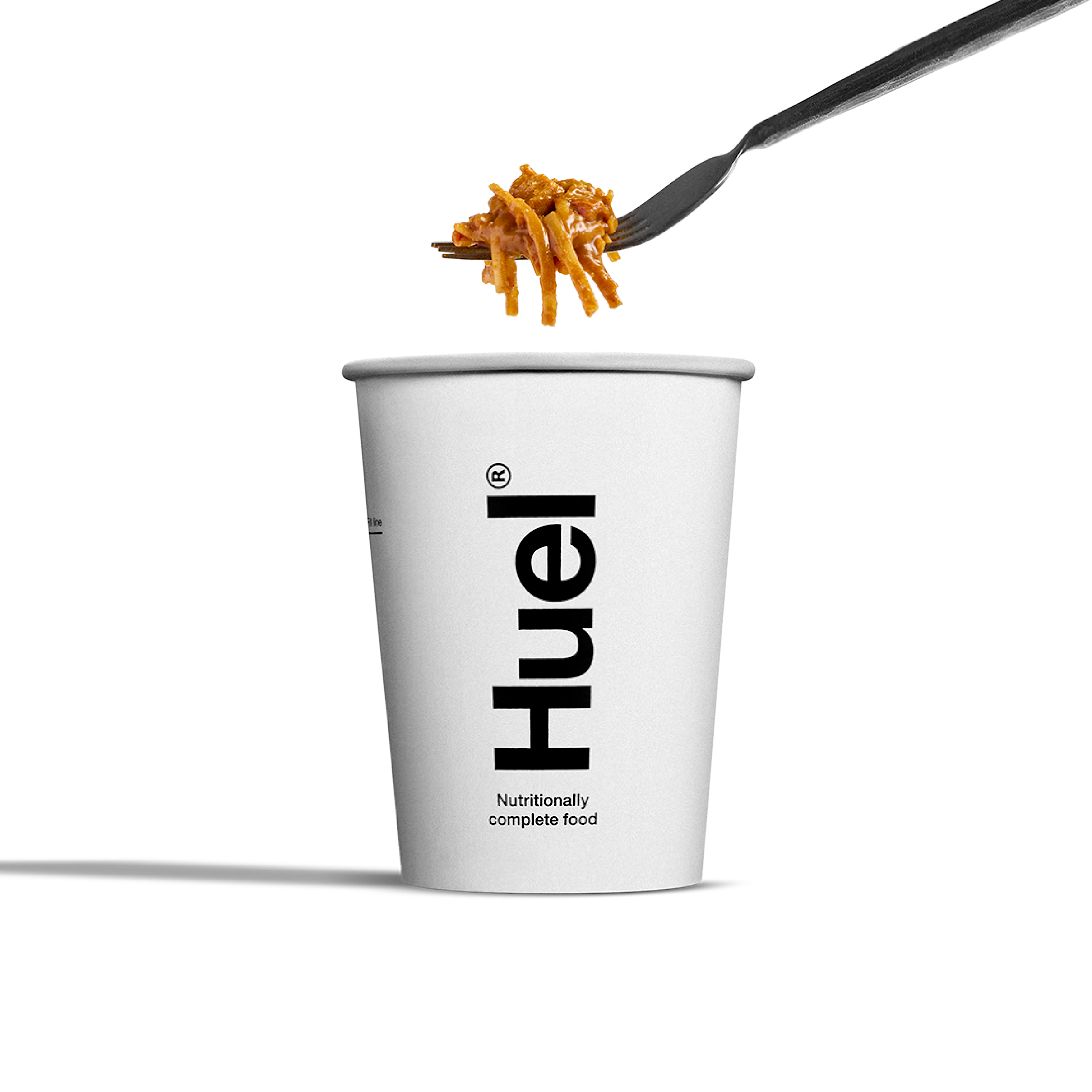
✨ New flavours
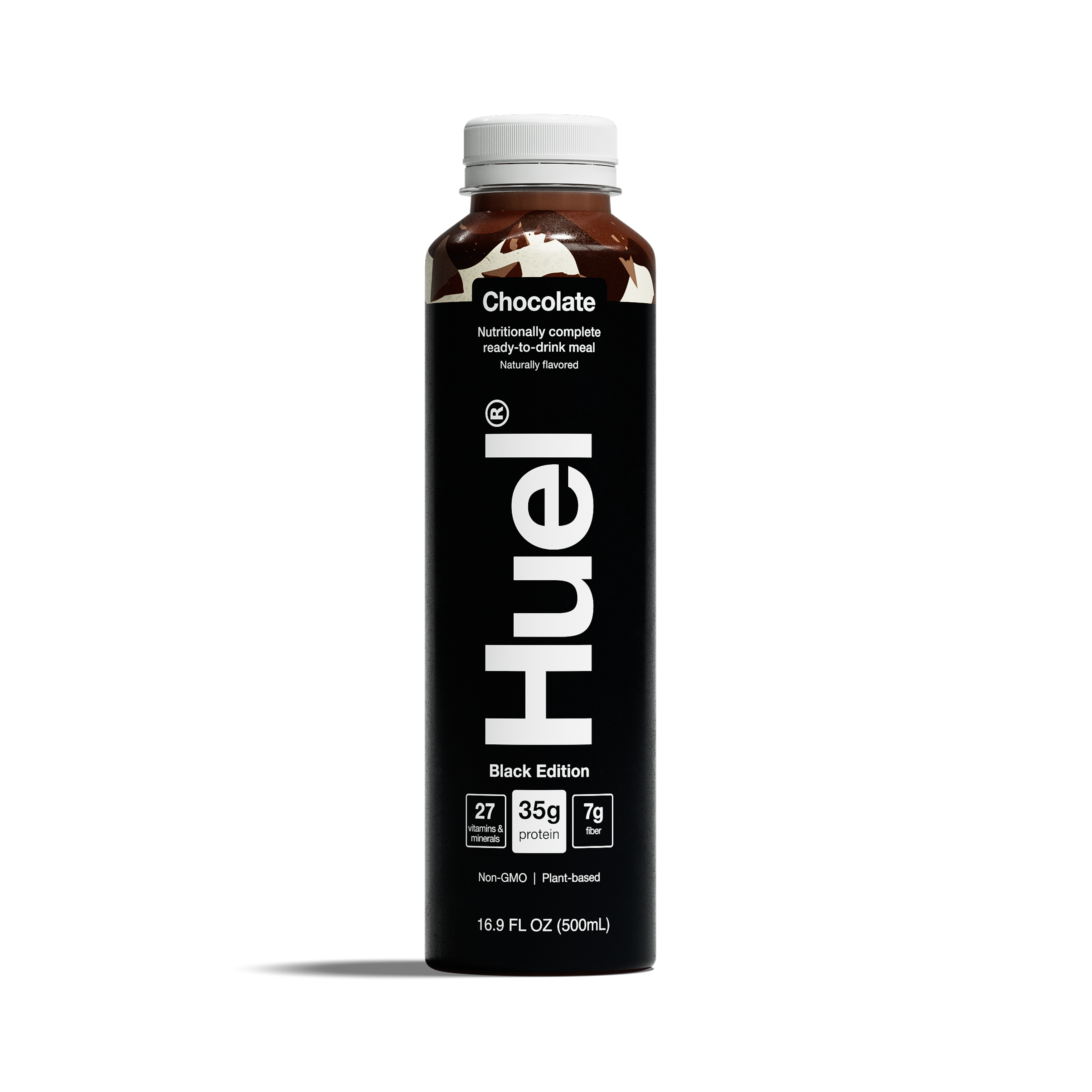

Black Edition Ready-to-drink
High-protein meal shakes
35g protein
400 cal per bottle

Meal replacements — shakes, powders, bars — can be incredibly useful for weight loss. Not because they’re magic, but because they remove friction.
They simplify calories.
They remove guesswork.
They help on the days when life is busy and decision fatigue wins.
But like most nutrition tools, they only work if you use them strategically.
Here’s how to use meal replacements for weight loss in a way that’s effective, sustainable, and grounded in real nutrition — not extremes.
A true meal replacement isn’t just a protein shake.
It’s designed to provide:
All in roughly the calorie range of a typical meal.
Protein powders alone don’t usually qualify. Many snack bars don’t either. A real meal replacement should be nutritionally balanced enough to stand in for breakfast, lunch, or dinner.
They work for a few simple reasons:
When calories are pre-portioned, you’re less likely to accidentally overeat.
No eyeballing. No second-guessing.
High-protein, high-fiber meals tend to reduce hunger and improve adherence to a calorie deficit.
If lunch is handled, that’s one less choice to make.
Research shows structured meal replacement plans can lead to around 7–8% body weight loss over 3–6 months, compared to more modest losses with unstructured food-only dieting.
The key word there is structured.

Not all shakes are equal.
Here’s what to look for:
Protein:
At least 15–20g per serving.
20–30g is even better for muscle retention and fullness.
Calories:
200–400 per serving works well for most people replacing a meal.
Carbohydrates:
Moderate levels. If your goal is weight loss, avoid high-sugar formulas.
Fiber:
Ideally 4–8g per serving.
Micronutrients:
Look for 20–30% of daily vitamins and minerals.
Red flags:
Most people replace:
Dinner is usually more social and harder to replace long-term.
Option A: Replace 1 meal daily
Best for sustainability.
Option B: Replace 2 meals daily
More aggressive. Works short-term but requires a balanced whole-food dinner.
Option C: Use as-needed
Great for travel or chaotic days.
Replacing one meal can reduce daily intake by roughly 250–500 calories, depending on what you were eating before.
Meal replacements are a tool — not a forever plan.
Keep at least one meal per day built from:
Diet diversity matters. Long-term sustainability matters more.
If you’re hungry an hour later, something’s off.
To stay fuller longer:
You can also add:
Small additions can dramatically improve satiety.
Preparation tips:
Usage tip:
Consistency beats perfection. Choose a meal and replace it reliably rather than switching daily.
They pair well with strength training.
A shake with 20–30g protein can support muscle recovery post-workout.
Just avoid the common trap of “earning” extra calories from exercise unless it’s part of your structured plan.
Short-term? Possible.
Long-term? Not ideal.
High sugar, low protein = hunger rebound.
Sleep, movement, and stress matter just as much as calories.
Short-term, yes. Long-term, it’s not recommended. Combining meal replacements with whole foods is more sustainable and nutritionally balanced.
Most evidence supports replacing 1–2 meals daily.
Higher-protein, higher-fiber options can help maintain steadier blood sugar compared to high-sugar meals.
Replace one meal daily. Monitor hunger, energy, and progress. Adjust gradually. Consider speaking to a registered dietitian if you have underlying health conditions.
Meal replacements aren’t a shortcut.
They’re a structure.
Used well, they can:
But long-term success comes from sustainable habits — not liquid-only dieting.
If you’re considering adding meal replacements into your routine, aim for balance, quality, and consistency.
And as always, consult a healthcare professional before making significant dietary changes.
Edited by The Digest team