🔥 Bestseller
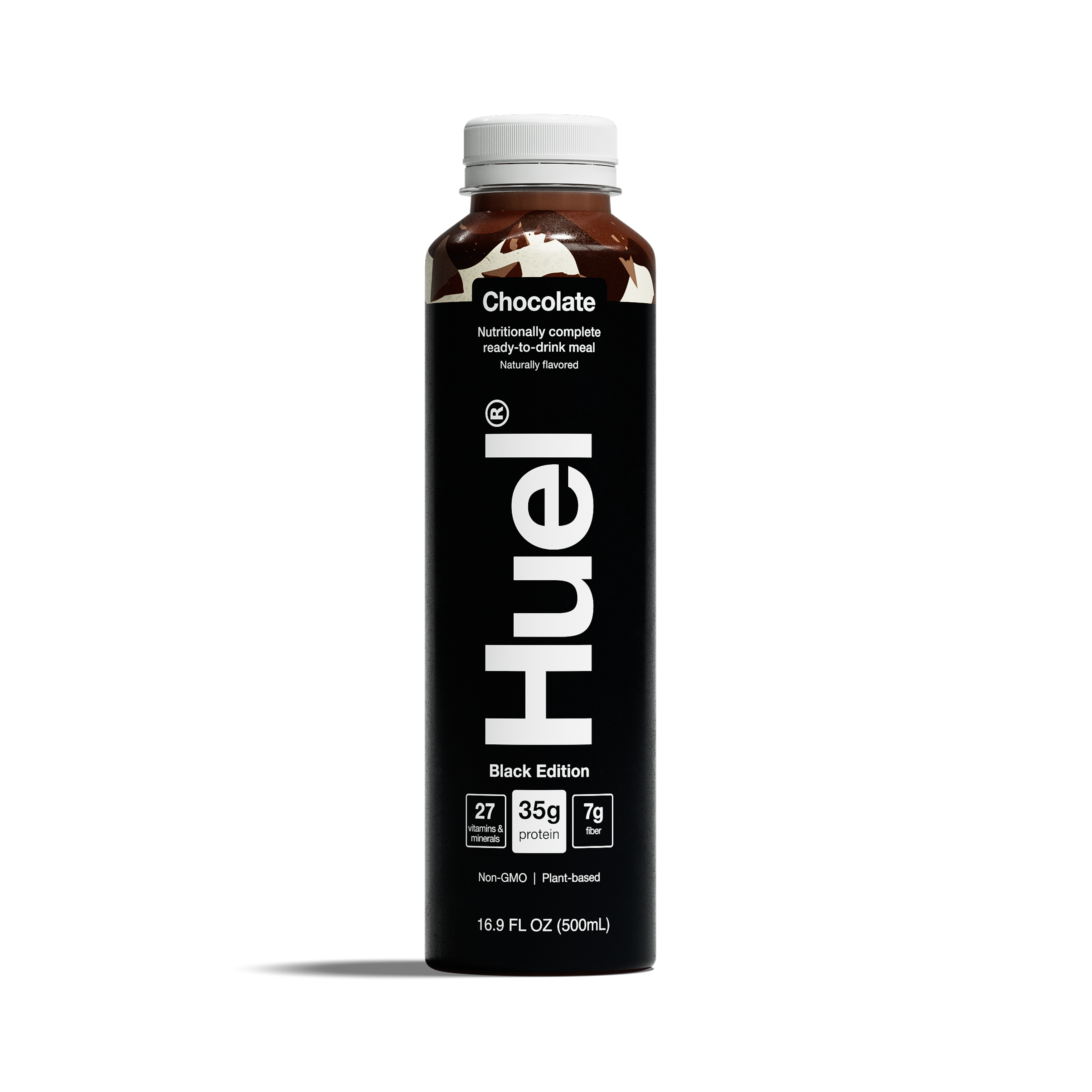

Black Edition Ready-to-drink
High-protein meal shakes
35g protein
400 cal per bottle

The short-term changes, long-term benefits, and safety essentials if you’ve been drinking heavily.
Giving up alcohol is more than skipping nights out or changing what’s in your glass. Because alcohol interacts with so many systems in the body, stopping can trigger a wide range of physical, mental, and lifestyle changes — some noticeable within days, others unfolding over months.
Understanding what typically happens when you quit can help you set realistic expectations, recognise when something isn’t normal, and approach the process with care rather than pressure.
Alcohol touches nearly every major system, even at moderate levels. Over time, it can influence:
Because alcohol’s reach is so broad, quitting tends to affect multiple areas at once — sometimes quickly, sometimes more gradually.
When you stop drinking, changes begin within hours. For lighter or occasional drinkers, this phase may bring little more than mild fatigue or disrupted sleep.
For people who drink heavily or regularly, however, withdrawal symptoms can occur, ranging from uncomfortable to dangerous.
Possible symptoms include anxiety, sweating, tremor, nausea, headaches, irritability, and insomnia. In more severe cases, withdrawal can involve confusion, hallucinations, seizures, or significant changes in heart rate and blood pressure.
If you drink heavily, have experienced withdrawal before, or have underlying health conditions, it’s important to seek medical advice before quitting abruptly. Alcohol withdrawal can be serious, and support can be lifesaving.
For those who pass the initial phase safely, the first few weeks often bring noticeable improvements:
This is where replacing habits matters. Swapping the role alcohol played — relaxation, transition, social ease — for something else supportive can make a meaningful difference.

As alcohol-free time builds, benefits tend to extend beyond the surface.
Liver health:
The liver is remarkably resilient. In many cases, reducing or stopping alcohol allows excess fat and inflammation to decrease, particularly if damage is early and not advanced.
Heart and metabolism:
Removing alcohol’s regular impact can support healthier blood pressure and metabolic balance over time, especially when paired with nourishing meals and consistent routines.
Weight and appetite:
Alcohol adds calories without nutrients and can increase cravings for less nourishing foods. Some people notice gradual weight changes, while others experience shifts in appetite and food preferences first.
Mood and mental clarity:
Many people report improved focus, steadier mood, and less baseline anxiety as the brain adjusts. It’s also normal for emotional ups and downs to appear early on before settling.
With sustained abstinence, many of the changes above become more consistent:
Longer-term, reducing or eliminating alcohol is associated with lower risk of several alcohol-related diseases. How much risk decreases depends on individual history, but the overall direction is positive.
The effects of quitting alcohol aren’t only physical.
Some people find relationships deepen when they’re no longer organised around drinking. Others need time to renegotiate social routines or find new ways to relax and connect. Libido, hormonal balance, and fertility markers may also improve as alcohol’s suppressive effects fade.
There are practical benefits, too: clearer mornings, more time and energy, and often noticeable financial savings.
The most important thing to know is this: quitting alcohol doesn’t have to be done alone or all at once.
Medical support is especially important if you:
Support can include supervised detox, counselling, peer groups, or nutritional guidance. Building new routines around meals, movement, rest, and connection helps make changes last.
Stopping alcohol can bring meaningful changes to sleep, mood, digestion, and long-term health — but the process looks different for everyone. Approached with care, support, and realistic expectations, the body often shows just how adaptable it can be.
Edited by The Digest team