🔥 Bestseller
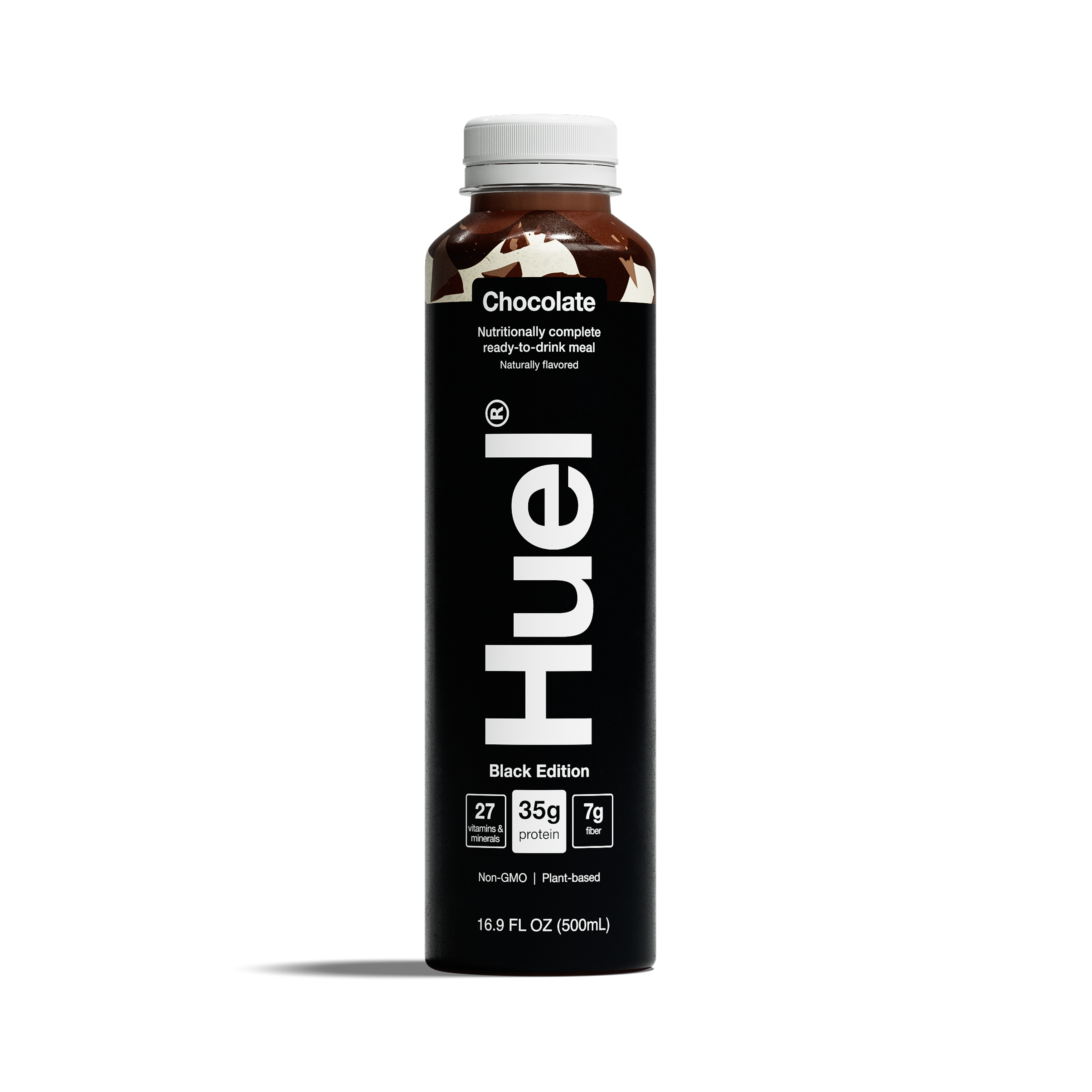

Black Edition Ready-to-drink
High-protein meal shakes
35g protein
400 cal per bottle

Because health isn’t just physical. It’s how you think, rest, and show up for your life.
Most men know what it takes to look healthy—exercise, eat well, sleep more—but real wellness runs deeper than routines. It’s about noticing how you feel, staying connected, and building habits that last when motivation fades. A men’s wellness journey isn’t a straight line or a quick fix. It’s learning how physical, mental, and emotional health work together, and what it really takes to sustain them in everyday life.
Every wellness journey looks different, but most share a few universal truths.
Wellness goes beyond fitness. Mental and emotional health matter just as much as physical strength.
Asking for help isn’t weakness. Many men still face stigma or social pressure to appear self-reliant, but support and connection make real progress possible.
Change happens in stages. Awareness, action, and consistency all build on each other, and none have to be perfect to work.
Prevention beats reaction. Regular checkups, balanced nutrition, and movement you actually enjoy are powerful long-term investments.
Progress adds up. Small steps, repeated over time, transform how you feel day to day.
Wellness isn’t about doing everything at once. It’s about learning what works for you and building a life that supports it.
A wellness journey is a lifelong process of paying attention to your body, your energy, and your mindset. It’s not about chasing perfection or hitting strict goals. It’s about developing awareness and routines that help you feel grounded and capable, no matter what stage of life you’re in.
Physical wellbeing often begins with the basics: eating balanced meals, getting enough sleep, moving regularly, and keeping up with preventive care. These habits might sound simple, but consistency is what makes them powerful.
Mental and emotional wellbeing grow from practices that strengthen perspective and resilience—things like mindfulness, therapy, or simply taking time to talk about what’s really going on. These habits don’t just ease stress; they help you respond to life instead of reacting to it.
When all three areas work together—body, mind, and emotion—wellness stops being something you “do” and becomes part of how you live.

Research shows that men often face higher rates of preventable conditions and are less likely to access care early. Heart disease remains a leading cause of death, and many skip routine screenings that could catch risks sooner. Mental health challenges are also widespread, with depression and suicide rates disproportionately high among men, even as help-seeking rates stay low.
These trends aren’t about gender differences alone. They’re shaped by culture, access to care, and persistent ideas about toughness and independence. Changing those norms starts with awareness, open conversation, and support that meets men where they are.
1. Physical health risks
Habits like poor diet, limited movement, smoking, or unmanaged stress can lead to long-term issues such as heart disease or high blood pressure. Routine checkups for blood pressure, cholesterol, and cancer screenings can make a measurable difference in lifespan and quality of life.
2. Mental and emotional wellbeing
Many men are taught to keep emotions in check or to push through stress. Over time, this can fuel anxiety, burnout, and isolation. Reaching out to a friend, counselor, or support network can help break that cycle and build balance.
3. Social and cultural barriers
Between work demands, family responsibilities, and social expectations, it can be hard to make space for rest or reflection. Building a network—whether through community groups, sports, or even online wellness spaces—helps create accountability and shared motivation.
Start small and stay steady. Big changes might feel inspiring, but the habits that last are realistic and consistent. Choose one goal to focus on each week, like adding a serving of vegetables to lunch, walking after dinner, or setting a phone-free bedtime.
Fuel your body wisely. Nutrition affects both energy and mood. Prioritise whole foods, plant-based proteins, fiber, and hydration. Balanced meal options like Huel can make healthy eating easier, especially on busy days.
Move in ways you enjoy. Fitness doesn’t have to mean lifting heavy or running marathons. Walking, cycling, swimming, or resistance training for even 30 minutes a day can boost strength, heart health, and focus.
Take care of your mind. Mindfulness, journaling, therapy, or time outdoors can all help lower stress and improve clarity. Think of mental fitness as maintenance, not repair.
Stay connected. Wellness is easier with support. Call a friend, join a group, or find a community that shares your goals. Accountability makes consistency possible, and connection is one of the best predictors of long-term wellbeing.
There’s no single blueprint for men’s wellness. Some people start after a health scare; others begin out of curiosity about feeling better in daily life. The starting point doesn’t matter. What matters is paying attention and making small, sustainable choices that align with your life.
Book that checkup. Move your body. Eat something nourishing. Ask for help when you need it. Every step counts, and over time, those steps add up to real change.
1. Men’s wellness journeys are holistic, covering physical, mental, and emotional health.
2. Awareness and community support are essential for overcoming cultural barriers and stigma.
3. Preventive care, balanced nutrition, and consistent movement all improve long-term wellbeing.
4. Progress doesn’t have to look perfect. What matters is showing up for yourself, one habit at a time.
Edited by The Digest team