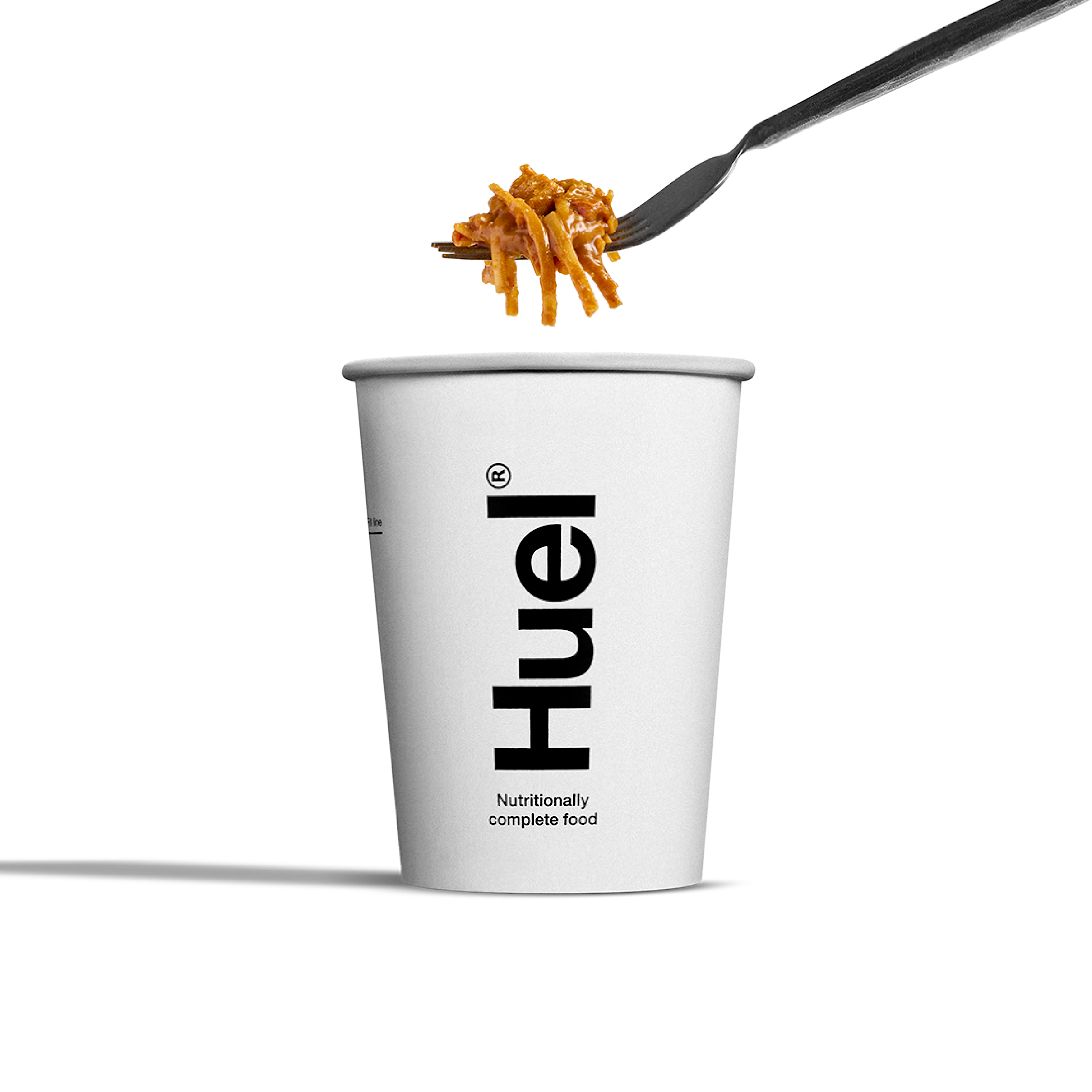
🔥 Bestseller
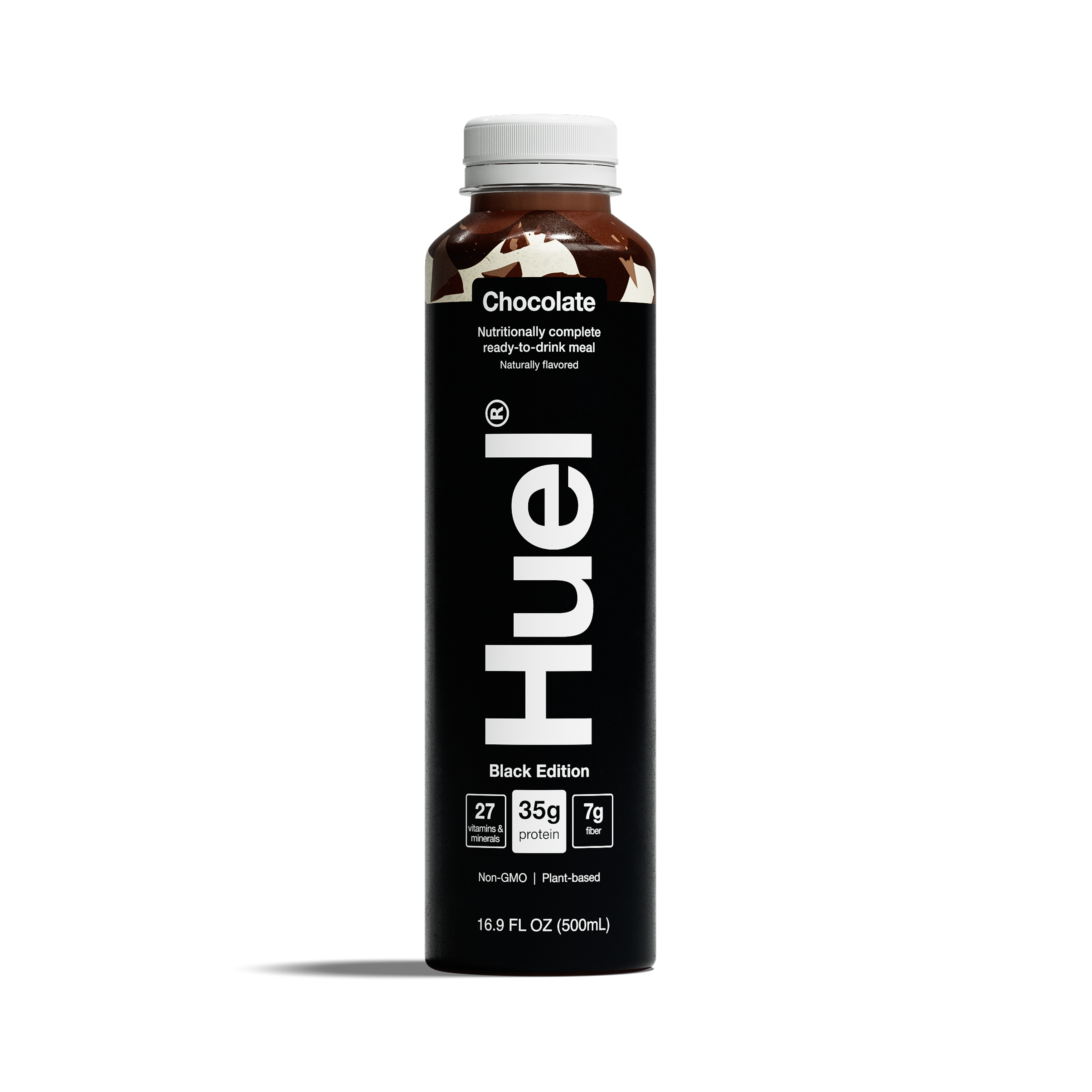

Black Edition Ready-to-drink
High-protein meal shakes
35g protein
400 cal per bottle

If you’ve ever lost weight, regained it, and found yourself starting over again, you’re not alone.
Yo-yo dieting, also known as weight cycling, describes repeated periods of weight loss followed by weight regain. It is extremely common, and often deeply frustrating. Many people blame themselves. In reality, the cycle is usually driven by overly restrictive approaches rather than a lack of discipline.
The good news is that sustainable weight loss is possible. It just looks different from the quick-fix plans we are used to seeing.
Yo-yo dieting refers to losing a noticeable amount of weight, regaining it, and repeating the process.
This is different from normal fluctuations. Body weight naturally shifts slightly due to travel, stress, hormonal changes, or routine differences.
Weight cycling tends to involve larger swings, often 5–10 kg or more over time.
Research suggests that many people regain weight within several years of dieting. That does not mean long-term change is impossible. It does suggest that many popular dieting methods are difficult to sustain.
Understanding the cause makes prevention easier.
Very low-calorie diets or highly restrictive plans can produce quick results. However, they can also increase hunger, reduce energy, and feel difficult to maintain.
When normal eating patterns resume, weight regain is common.
This does not mean your metabolism is broken. It means the approach was not sustainable.
Small deviations can spiral when perfection is the goal.
A single off-plan meal can become “I’ve failed,” which often leads to giving up entirely. Sustainable weight loss allows for flexibility rather than perfection.
Stress, boredom, and social situations all influence eating behaviour. If a plan does not account for this, it is harder to maintain.
Highly processed foods are convenient and widely available. Social pressures and online misinformation can make extreme dieting seem appealing, even when it is difficult to maintain.
Beyond frustration, repeated cycles of weight loss and regain may have physical and psychological effects.
Some research suggests weight cycling can be associated with:
The psychological impact is often overlooked. Feeling stuck in a cycle can reduce motivation and make future attempts feel harder.
Breaking the cycle is about long-term wellbeing, not just the number on the scale.
Sustainable weight management focuses on behaviours you can realistically maintain.
Instead of eliminating entire food groups or drastically cutting calories:
Flexibility reduces the urge to rebound.
Preserving lean muscle during weight loss supports overall metabolic health.
Practical steps include:
Strength training supports muscle maintenance and overall health, regardless of weight loss goals.
If you are constantly hungry, tired, or thinking about food, the plan may be too restrictive.
A moderate calorie deficit is more sustainable than extreme restriction.
Structure can reduce decision fatigue.
For some people, nutritionally complete meal options can act as a practical tool during busy periods. They may help simplify calorie control and ensure adequate protein and micronutrient intake.
The goal is not to replace every meal indefinitely, but to support consistency while building longer-term habits.
Holidays, busy weeks, and social events are normal.
Rather than restarting every Monday, build habits that allow flexibility. Progress is driven by patterns over months, not a single meal.

Breaking the cycle of yo-yo dieting often requires a shift in perspective.
Common misconceptions include:
“I’ve damaged my metabolism permanently.”
Metabolism adapts to changes in energy intake, but long-term damage is not inevitable.
“I just need more willpower.”
Lasting change relies more on systems and habits than on motivation alone.
“I need to detox and start fresh.”
Extreme resets often repeat the same restrictive pattern that caused weight regain in the first place.
Self-compassion tends to support better long-term adherence than self-criticism.
Evidence consistently supports:
None of these are extreme. That is why they are sustainable.
Consistency matters more than perfection.
If weight cycling is accompanied by:
It is important to speak with a registered dietitian, GP, or qualified healthcare professional. Early support can make a significant difference.
Yo-yo dieting is often driven by urgency and unrealistic expectations.
Sustainable weight loss is built on repeatable behaviours, realistic pacing, and flexibility.
If you have been stuck in the cycle, the solution is rarely a stricter plan. It is usually a more balanced one.
Eat enough. Move regularly. Strengthen your body. Build habits you can live with.
Progress may be slower, but it is far more likely to last.
Edited by The Digest team