🔥 Bestseller
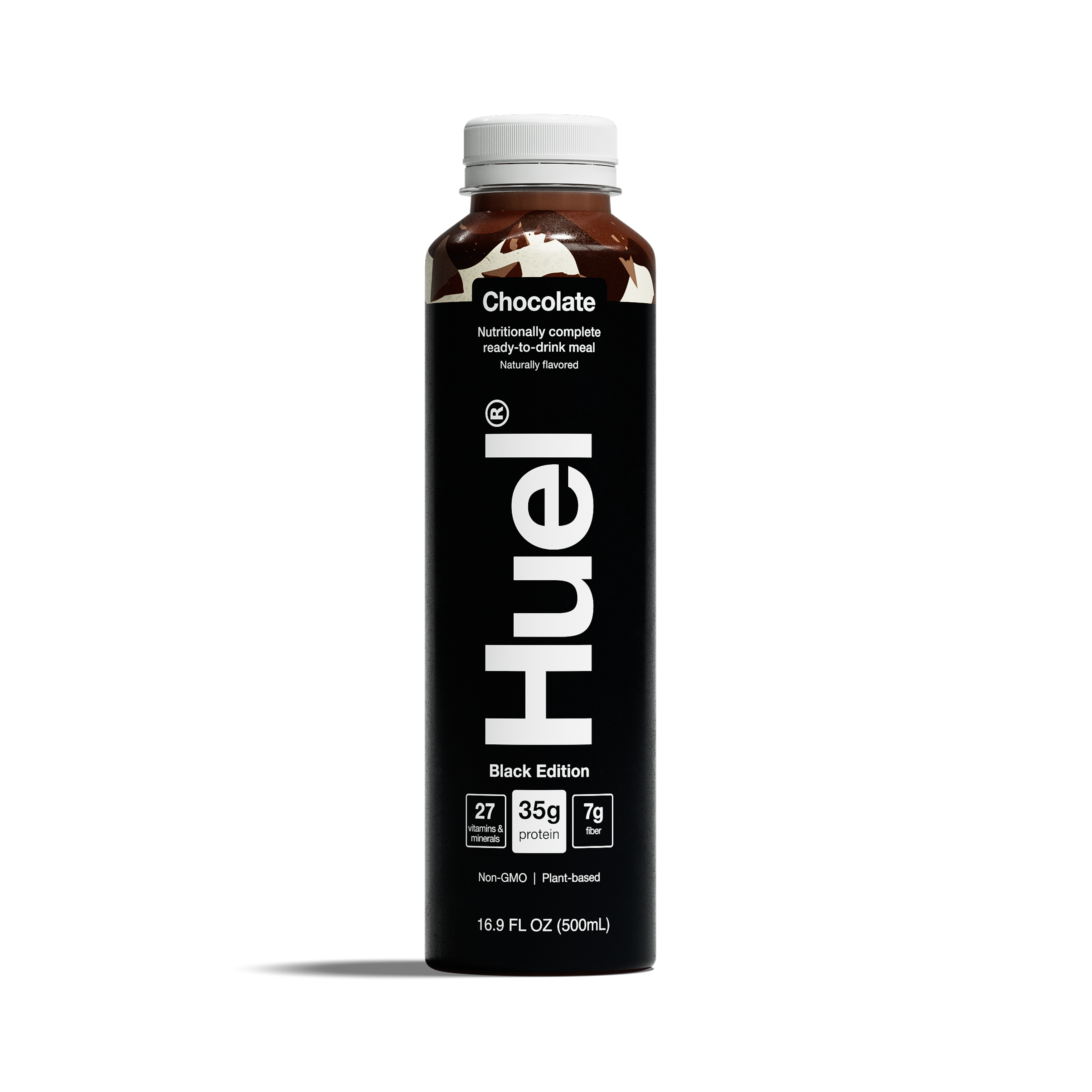

Black Edition Ready-to-drink
High-protein meal shakes
35g protein
400 cal per bottle

Because you won’t regret building habits that support a healthier heart.
Cardiovascular disease, often referred to simply as heart disease, remains the number one cause of death worldwide. That sounds daunting, but here’s the good news: not every risk factor is out of our hands. While things like genetics or environment can play a role, our daily behaviors—from what we eat to how we move—can make a powerful difference in protecting our heart health.
Our habits are investments for a healthier future, which means the best time to start thinking about your heart health is now. Ideally, these habits start in your early adulthood and build throughout your life, but it is never too late to start taking preventative measures. For example, quitting smoking and vaping is listed below in the 20s and 30s category, but quitting/avoiding smoking applies at every age.

Check in with your plate- are you eating out more than you need to? When life got busy, have certain aspects of your diet slipped? A great heart-healthy diet to guide your food choices is the D.A.S.H diet, which stands for “dietary approaches to stop hypertension”. The dash diet consists of focusing on eating lots of veggies and fruits, limiting saturated fat, high salt foods, and added sugar. Check in with your alcohol intake as well. Alcohol intake should be moderate at most, but the more you limit your alcohol intake, the more you reduce the risk of alcohol related harms.
It may be that due to changes in your environment, your health, or your interests, the kind of exercise you enjoyed in your 20s isn’t working for you in your 40s. Take this as an opportunity to explore new forms of movement. Things like swimming and cycling can be great low-impact options for those with joint pain, and pickleball is a low-impact sport that can help you meet new people or play with old friends!
Your life can change a lot in middle age. You may be parenting, dealing with career stress, and personal stressors, and that means having your stress management tools in place is essential. Try to avoid unhealthy habits that can develop over time, like relying on alcohol to relax at the end of the day.
Talk to your doctor about your family history and personal medical history to see if there are certain habits or screenings you should be aware of. If you experience any unusual symptoms, like shortness of breath or difficulty sleeping, do not hesitate to tell your doctor so they can best support and advise you. Your doctor can also teach you about the symptoms of stroke and heart attacks. It is also important to check in on your heart health stats, such as blood pressure and cholesterol levels.
Maintaining your movement and nutrition is essential to your heart and overall health. Continue to incorporate exercise into your routine, eat plenty of fruits, vegetables, whole grains, lean protein, and limit excess sodium and added sugar intake. Incorporating weight-bearing exercises like walking, dancing, and strength training is important for maintaining lean muscle mass and bone health.
Keeping your heart healthy isn’t just about eating your veggies and getting your exercise; it also means spending time with friends and meeting new people! Studies show that social isolation is associated with adverse health outcomes, with particularly strong links to heart attack and stroke. Joining clubs, talking to your neighbors, or even reaching out to old friends are all effective (and fun!) ways to keep your heart healthy.
If you have any chronic illnesses, stay on top of the medical and lifestyle interventions required to manage them. For example, if you are someone with high blood pressure, continue to take medications as prescribed, check your blood pressure, manage your stress, and limit your sodium intake to 1500 to 2300mg per day. It also means continuing to be an active participant in doctor's appointments, reporting symptoms, checking in on your weight, talking about risk factors and routine testing, and staying on routine with scheduling appointments.
Words by Madeline Peck, RDN, CDN, Huel nutrition team