🔥 Bestseller
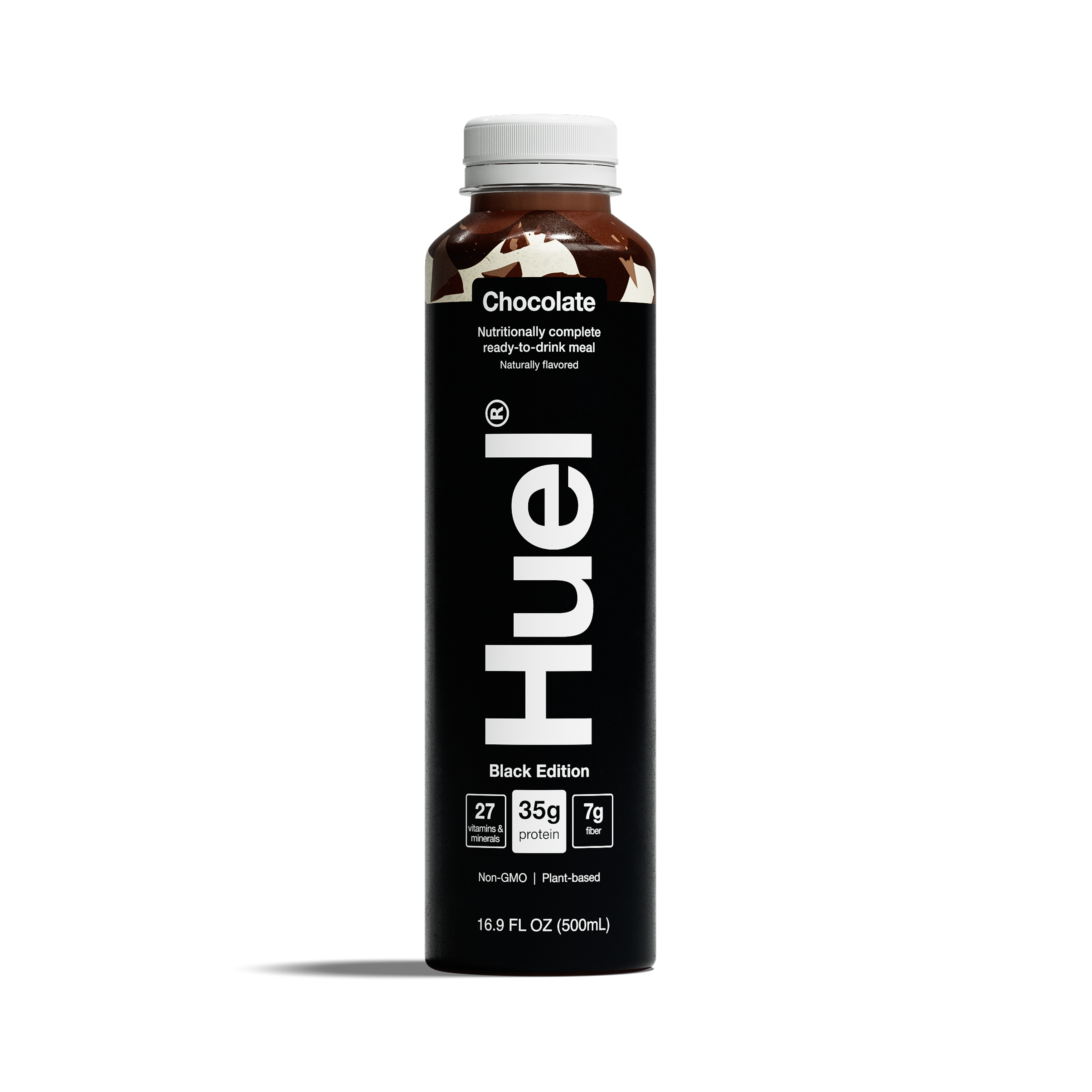

Black Edition Ready-to-drink
High-protein meal shakes
35g protein
400 cal per bottle

Brussels sprouts have been in the spotlight for the last decade. Once infamous for being despised by children, they’re now a year-round staple — roasted, shredded, air-fried, and even shaved raw.
But how good for you are Brussels sprouts? Are they packed with nutrients or more of a mid-tier vegetable?
Here’s the no-nonsense guide to Brussels sprouts: their nutritional benefits, common myths, and how to make them taste great for any of the skeptics in your life.
Short answer: yes — and for more reasons than you might expect.
Brussels sprouts belong to the cruciferous vegetable family, alongside broccoli, kale, and cabbage. They’re low in calories but rich in nutrients that support overall health.
A typical serving provides:
They also contain plant compounds linked to antioxidant activity, which help protect cells from everyday oxidative stress.
One of Brussels sprouts’ biggest strengths is their fibre content.
For many people, increasing fibre intake gradually — and pairing it with enough fluids — helps minimise digestive discomfort.

Cruciferous vegetables contain compounds called goitrogens, but in normal food amounts, Brussels sprouts are safe for the general population. Cooking further reduces any potential effect.
Some people are more sensitive to certain fibres, especially if they’re not used to them. This doesn’t mean Brussels sprouts are “bad” — just that portion size and preparation matter.
Light cooking (like roasting or steaming) preserves most nutrients and can actually make some easier to digest.
Modern Brussels sprouts are literally less bitter than the ones many of us grew up with. Plant breeding has reduced bitter compounds over time, and cooking methods have improved, too.
Boiling is no longer the default. Roasting, sautéing, and shredding bring out natural sweetness and texture.
If you’ve only ever had overcooked sprouts, this part matters.
Halve, toss with olive oil, salt, and pepper, and roast until golden. High heat equals caramelisation — and flavour.
Thinly slice and sauté with garlic, lemon, or a splash of balsamic vinegar.
Brussels sprouts shine when balanced with:
Most people benefit from including them as part of a varied diet. However, it’s always recommended to consult with a registered nutritionist or dietitian for your personal dietary needs. If you’re sensitive to high-fibre foods, start with smaller portions and see how you feel.
There’s no need to eat them daily, either. Variety matters more than any single “superfood”.
Brussels sprouts aren’t a miracle food — but they are a nutrient-dense, fibre-rich vegetable that earns its place on your plate.
Forget the festive obligation. When cooked well, they’re simply good food.
Edited by The Digest team